(888) 632-8764
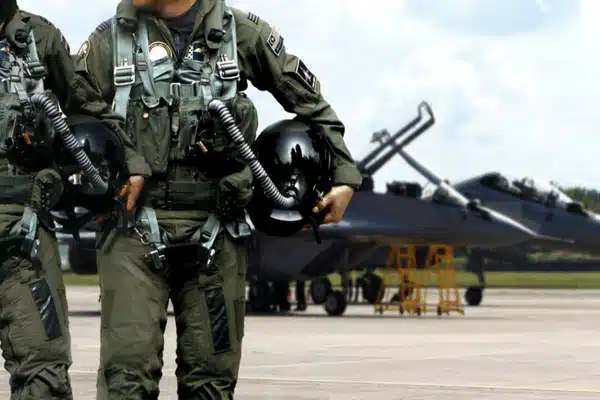
Modern NVG military operations rely on advanced technology. The U.S. Army’s ENVG-B goggles integrate thermal imaging and augmented reality according to InsideDefense. But even advanced devices can’t replace proper preparation.
By 2025, flying with NVGs has become standard for many military units. However, goggles provide only a 40° field of view and reduce depth perception. They can’t see through clouds and bright lights cause blooming.
Before your next military aviation NVG training flight, use a disciplined checklist. At Night Flight Concepts, we’ve seen how proper planning, equipment checks, and crew briefings ensure safe, effective training.
Table of Contents
Pre-Flight Planning for NVG Military Training Missions
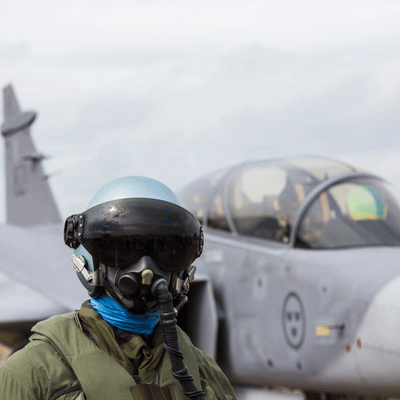
Every successful military night vision goggle training day starts with solid planning.
Weather and Illumination: Check forecast and light levels for your training window. NVGs amplify existing light, so moonlight helps significantly. Determine sunset, moonrise, moonset, and moon phase per U.S. Navy CNATRA guidance. Plan for the darkest flight portions and always have backup plans for low-light periods.
Terrain and Obstacles: Review your route in detail. Identify wires, towers, and mountains along your path. Under NVGs, obstacle detection is harder because depth perception drops. Power lines can be nearly invisible. Plan altitudes to stay clear of known hazards. Remember that brighter lights aren’t always closer per CNATRA.
Regulatory Considerations: Ensure your flight meets all NVG military operation requirements. FAA rules require recent NVG experience within 2-4 months depending on passenger carriage. Never use NVGs to bypass weather minimums. You must maintain VFR minimums per FAA guidance.
Mission Briefing: Conduct a detailed crew briefing on NVG procedures and emergencies. Review emergency actions for NVG failures. A pilot with equipment failure announces it and switches to instruments per CNATRA. Cover all scenarios: lost comms, inadvertent IMC, or system malfunctions.
NVG Equipment and Aircraft Checks
NVG Equipment and Aircraft Checks
We emphasize rigorous equipment inspection in our military aviation NVG training programs.
NVG Device Condition
Power Supply and Batteries
Optics and Image Quality
Adjustment and Fit
Aircraft NVIS Lighting
Navigation Aids
180-Day Requirement: NVG equipment needs inspection by certified technicians every 180 days per military and FAA guidance.
We emphasize rigorous equipment inspection in our military aviation NVG training programs.
NVG Device Condition: Examine the goggle housing for damage. Look for cracks, loose knobs, damaged wiring, or bent mounts. Verify the mounting bracket is secure. Any physical damage is a no-go per FAA guidance.
Power Supply and Batteries: Power up NVGs to confirm they work. Check that batteries are fresh and the compartment is secure. Always carry spare batteries. An NVG power failure can leave you blind instantly.
Optics and Image Quality: Check NVG optics for cleanliness. Remove lens caps and inspect lenses and eyepieces. Clean any smudges with approved lens paper. Cup your hand over the lenses to simulate darkness and look for black spots or uneven illumination.
Adjustment and Fit: Adjust vertical, horizontal, and fore-aft position so eyepieces align with your eyes. Set inter-pupillary distance so the two images overlap into one. Practice flipping goggles up and down. Ensure helmet straps are tight and padding distributes weight properly.
Aircraft NVIS Lighting: Your cockpit must be NVG-compatible. Test cockpit lighting with NVGs on. There should be no glare or bloom. Check that flashlights have red or IR filters. Verify position lights, strobes, and IR systems work.
Navigation Aids: Pre-load routes into your GPS while you have full light. Set radio frequencies before takeoff. Configure as much as possible to minimize heads-down tasks under goggles.
NVG equipment needs inspection by certified technicians every 180 days per military and FAA guidance.
Crew and Personal Readiness
The human factor remains central to safe NVG military operations.
Rest and Fatigue: Schedule NVG training for military pilots missions with fatigue in mind. Ensure your team is well-rested before training. Avoid demanding flights at the end of long duty days.
Dark Adaptation: Start protecting natural night vision 30 minutes before operations. Avoid bright lights an hour before flight. Use red or green-filtered flashlights at the flight line.
Aeromedical Factors: Stay hydrated and avoid caffeine right before flight. Never consume alcohol within 24 hours prior. Confirm any medications are safe for night flying.
Training Refresher: Review NVG techniques and emergency procedures before flight. Remind yourself of common night visual illusions. NVG proficiency is perishable.
Crew Coordination: Ensure every crew member understands the plan. Brief callouts for obstacles, altitude changes, or disorientation. Good crew resource management catches errors early.
In-Flight Techniques and Safety Tips
Once airborne, focus shifts to operational discipline.
Maintain an NVG Scan Pattern: NVGs limit field of view. Constantly move your head and eyes to build a complete picture. Use a systematic scan pattern. Sweep across sectors, pause to focus, then continue. Look under or around NVGs periodically since your eyes can’t read instruments through them up close.
Airspeed and Altitude Management: Reduced depth perception affects distance judgment. Monitor altitude and airspeed instruments proactively. For helicopter pilots, pay special attention during hover and landing. Use your radar altimeter. Don’t overtrust the NVG military image.
Situational Awareness: Cross-check your position continuously. Practice identifying landmarks with and without NVGs. Verbalize what you observe so crew can verify. If something doesn’t look right, speak up and transition to instruments immediately.
NVG Failure: Be ready to transition off NVGs quickly. If NVGs fail, announce it and go to instruments per CNATRA. Keep a flashlight accessible and ensure cockpit lighting can be raised fast.
Training Rules: Stick to your briefed mission profile. Adhere to altitude and range restrictions. If weather worsens, discontinue NVG training and transition to safer conditions. NVGs don’t replace sound decision-making per FAA guidance.
How often should NVG equipment be inspected?
NVG equipment needs comprehensive inspection every 180 days by certified technicians. Perform pre-flight checks before every training sortie.
What are the main limitations of night vision goggles?
NVGs provide only a 40° field of view and reduce depth perception. They show monochrome imagery and can’t see through clouds.
How long should pilots dark-adapt before NVG operations?
Start protecting natural night vision about 30 minutes before operations. Many military pilots wear sunglasses in the afternoon before night flights.
What happens if an NVG fails during flight?
Announce the failure immediately and switch to instrument flight. In two-pilot crews, the pilot with working goggles takes control.
Are NVGs allowed in poor weather?
No. NVGs can’t penetrate clouds and don’t allow bypassing weather minimums. Pilots must maintain VFR minimums at all times.
How can pilots maintain NVG proficiency?
Participate in structured military aviation NVG training programs, schedule refreshers, review materials regularly, and practice in simulators.
Master Your NVG Skills With Expert Training
A comprehensive checklist approach is essential for any military night vision goggle training day. We’ve covered pre-flight planning, equipment checks, personal readiness, and in-flight techniques. Following these procedures significantly reduces night operation risks.
At Night Flight Concepts, we understand that NVG military operations require ongoing practice and skill maintenance.
Ready to elevate your night vision capabilities? Contact us today to learn about our professional NVG training for military pilots programs. Our instructors bring real-world experience and proven techniques that keep you safe on every mission. Get a quote now and invest in training that makes the difference.