(888) 632-8764
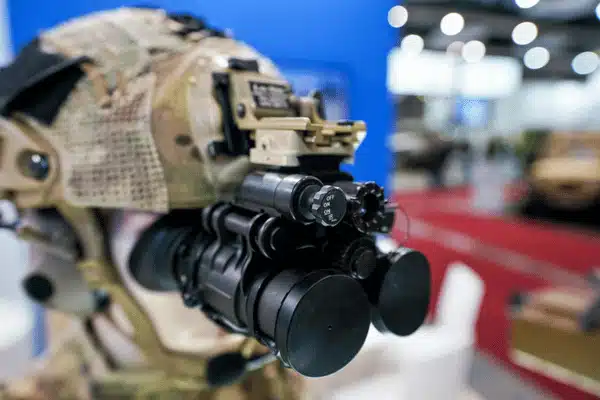
Night vision goggles have become essential for pilots flying after dark. Modern aviation NVG models help pilots see clearly in low-light conditions. Many pilots wonder about the difference between ANVIS-9 and AN/AVS-9 systems. This aviation NVG models comparison will clear up the confusion and help you understand these Gen 3 night vision devices.
Table of Contents
What Makes Gen 3 Aviation NVG Models Superior
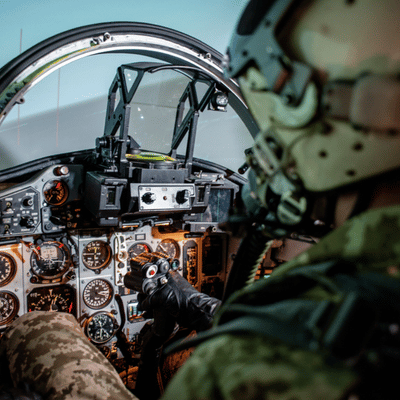
Gen 3 aviation NVG models represent the current gold standard in night vision technology. These devices use advanced gallium-arsenide photocathodes to amplify minimal light sources.
Generation 3 systems offer several advantages:
- Brightest images in extremely low light
- Auto-gating technology that protects against sudden bright flashes
- Superior resolution of 64-72 line pairs per millimeter
- Longer tube life compared to earlier generations
According to NASA research, Gen 3 NVG models produce sharp images even on moonless nights. The auto-gating feature adjusts instantly to changing light conditions. This protects both your vision and the device itself.
Modern Gen 3 tubes come in two display options. Traditional green phosphor screens show the classic green-hued image. Newer white phosphor versions produce grayscale images. Many pilots prefer white phosphor for better contrast and less eye fatigue during long flights.
ANVIS-9 vs AN/AVS-9: Same System, Different Names
Here’s the key fact: ANVIS-9 and AN/AVS-9 refer to the same goggle system. This ANVIS-9 vs AN/AVS-9 NVG comparison is really about clearing up naming confusion.
Understanding the Nomenclature
AN/AVS-9 is the official military designation from the Joint Electronics Type Designation System. ANVIS-9 is the common nickname pilots and industry professionals use. Think of it like the military HMMWV being called a “Humvee” by most people.
Why Two Names Exist
The U.S. Air Force requested the AN/AVS-9 for fixed-wing aircraft operations. It differs slightly from the earlier AN/AVS-6 (used by Army helicopters). The main differences:
- AN/AVS-9: Uses rotating objective lenses for focus
- AN/AVS-6: Uses translating lenses that move forward and back
The rotating lens design works better with fast jet helmets and ejection seats. Both systems deliver the same core Gen 3 performance. The design changes mainly affect military applications with heads-up displays.
Commercial Variants
You may also see these aviation NVG models sold as:
- F4949 goggle (commercial variant)
- M949 goggle (another commercial designation)
According to Night Flight Concepts, these are built to AN/AVS-9 military specifications. The different names simply reflect market terms, not performance differences.
Key Features of ANVIS-9/AN/AVS-9 Goggles
Key Features of ANVIS-9/AN/AVS-9 Goggles
Optical Performance
Depth Perception Advantage
Pilot-Friendly Ergonomics
Power and Battery Life
Aviation Certifications
Who Uses These Systems
Optical Performance
These NVG models provide critical specs for aviation safety:
- 40-degree circular field of view (standard for aviation goggles)
- 64-72 line pairs per mm resolution for clear terrain detection
- Automatic brightness control prevents light overload
Depth Perception Advantage
The ANVIS-9 uses dual image tubes for true binocular vision. This gives you stereoscopic depth perception. You can better judge:
- Distance to other aircraft
- Altitude over terrain
- Landing approaches at night
Single-tube monocular devices cannot match this depth perception capability.
Pilot-Friendly Ergonomics
Large 25mm eyepieces provide excellent eye relief. You can wear glasses or visors without losing the full image. The goggles weigh only 350 grams (12 ounces), reducing neck strain during long missions.
Elbit Systems confirms the AN/AVS-9 is deployed in over 60 countries. Multiple adjustments ensure proper fit:
- Interpupillary distance (IPD) matching
- Vertical and tilt adjustments
- Fore-aft positioning controls
Power and Battery Life
Aviation goggles use rear-mounted battery packs instead of onboard batteries. This keeps the goggles lightweight. Two configurations exist:
- 2×AA pack: Fixed-wing pilots (minimal weight)
- 4×AA pack: Helicopter pilots (longer missions)
Night Flight Concepts reports that 4×AA packs deliver over 50 hours of operation. The rear battery also balances the goggle weight on your helmet.
Aviation Certifications
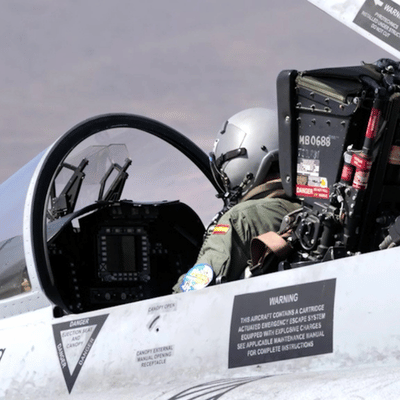
The ANVIS-9/AN/AVS-9 meets strict aviation standards:
- FAA TSO-C164a certified for U.S. operations
- EASA approved for European aviation
- RTCA DO-275 compliant for integrated night vision systems
These certifications mean the goggles work safely with aircraft cockpit lighting. Special lens filters prevent cockpit lights from overwhelming the image.
Who Uses These Systems
Beyond military applications, these aviation NVG models serve:
- Law enforcement aviation units
- Air ambulance and EMS helicopters
- Search and rescue teams
- Commercial night operations
Frequently Asked Questions
Are ANVIS-9 and AN/AVS-9 the same thing?
Yes, they are identical systems with different names. AN/AVS-9 is the official military designation, while ANVIS-9 is the common industry nickname.
What generation technology do these goggles use?
Both use Generation 3 image intensifier tubes with auto-gating. Gen 3 provides the best resolution, brightness, and low-light performance available today.
Can I wear glasses with ANVIS-9 goggles?
Yes, the 25mm eyepieces provide 25mm of eye relief. This allows comfortable use while wearing spectacles or helmet visors.
What’s the difference between green and white phosphor?
Green phosphor shows the traditional green-hued image. White phosphor displays grayscale images with better contrast and less eye fatigue.
How long does the battery last?
With alkaline cells, a 4×AA battery pack provides over 50 hours of operation. Fixed-wing pilots using 2×AA packs get proportionally less runtime.
Are these goggles legal for civilian pilots?
Yes, when properly certified and installed per regulations. The ANVIS-9/AN/AVS-9 carries FAA TSO-C164a and EASA approvals for civilian aviation use.
Make the Right Choice for Your Night Operations
Understanding this aviation NVG models comparison helps you make informed decisions. The ANVIS-9/AN/AVS-9 system remains the benchmark for aviation night vision in 2025. Its proven Gen 3 performance, wide adoption, and regulatory approvals make it a trusted choice.
Whether you fly fixed-wing or rotary aircraft, proper NVG training is essential. Don’t compromise on safety or equipment quality.
Ready to enhance your night flying capabilities? Contact us today for expert guidance on selecting and implementing the right aviation NVG system for your operations.