(888) 632-8764
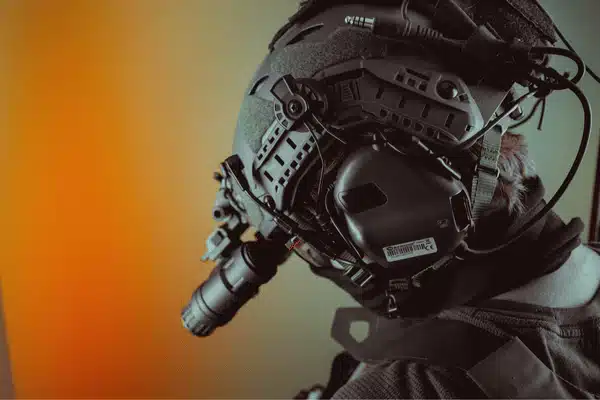
Gen 3 night vision goggles are the most trusted NVG technology in the world. Military units, law enforcement, and aviation crews depend on them nightly. If you work in a field where darkness is a threat, understanding what sets Gen 3 apart could change how you operate.
Table of Contents
What Are Gen 3 Night Vision Goggles?
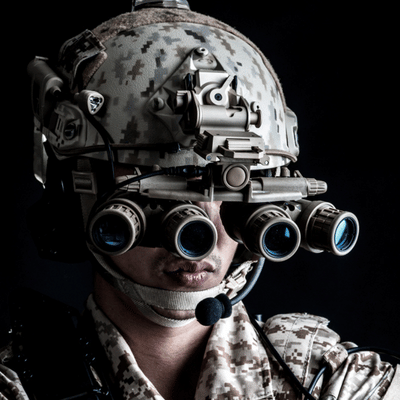
3rd generation night vision goggles use a gallium arsenide photocathode inside the image tube. This material amplifies light far better than earlier designs. The result: sharper images, better range, and cleaner visuals in near-total darkness.
According to Teledyne FLIR, Gen 3 night vision goggles are currently the best night vision technology on the market. These devices can detect targets beyond 300 yards without any added light source. Image tubes last 10,000+ hours, roughly double the lifespan of Gen 2 systems.
One major upgrade is auto-gating. This feature adjusts brightness automatically when lighting conditions change. It prevents image washout when moving from dark fields into lit areas. FLIR confirms that auto-gated Gen 3 models are what the U.S. military and Special Forces rely on.
Key Features of Military-Grade NVG Technology
Military-grade NVG systems go beyond basic light amplification. Here’s what sets them apart:
- White phosphor tubes — Produce a black-and-white image with better contrast than standard green phosphor tubes
- Auto-gating — Prevents image overload from sudden bright light sources
- Automatic brightness control — Protects the user’s vision in changing conditions
- Sensor fusion — Some units combine Gen 3 optics with thermal imaging
A strong example: the U.S. Marine Corps’ Squad Binocular Night Vision Goggle (SBNVG). Built by Elbit Systems of America, it pairs white phosphor Gen 3 night vision goggles with thermal imaging and a digital compass. Per Elbit, the system delivers “optimum resolution and clarity, along with the added benefits of thermal imagery and compass heading details.” Over 25,000 units have been delivered to Marines, with more ordered through 2027.
Aviation Applications
Night flying is demanding. Terrain, wires, and obstacles become invisible without the right tools. Gen 3 night vision goggles have changed how aviation crews manage these risks.
Pilots using NVGs can see ground features like roads, buildings, and power lines that are invisible to the naked eye. One UK police aviation unit reported that with NVGs, crews could identify wires and obstructions in pitch-dark rural areas (Business Air News, 2006). In one mission, a crew spotted a missing person by catching the reflection off a license plate hidden in the woods and guided ground officers in time to save his life.
Air ambulance and law enforcement aviation teams in the United States utilize Gen 3 NVGs to enhance safety during low-level night flights. This is actively supported by the FAA. The FAA renewed Exemption No. 18973C in 2025, allowing Part 91 and 135 helicopter operators to perform NVG-assisted operations at unlit off-airport sites through June 30, 2027, even if their radar altimeter is not operational (Vertical Aviation International, 2025).
This regulatory support reflects real confidence in Gen 3 technology and in proper NVG training.
Tactical Law Enforcement Use
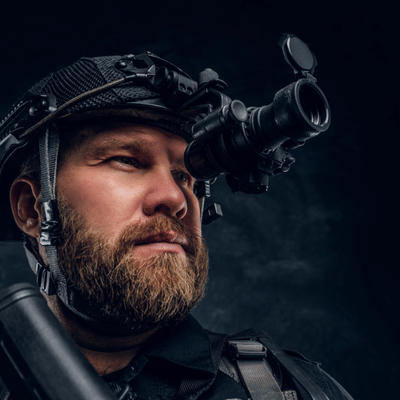
The night vision goggles used by the US military, including the AN/PVS-14 monocular and AN/PVS-31 binocular, are Gen 3 systems. They are standard issue for Army, Marine Corps, and Special Operations units that run missions after dark.
Law enforcement has adopted the same standard. SWAT teams, federal agents, and border security all use military-grade NVG systems for high-risk night operations.
In 2025, U.S. Customs and Border Protection’s BORTAC unit purchased 100 sets of panoramic Gen 3 night vision goggles fused with thermal imagers at $75,000 per unit. CBP stated these goggles are “essential for enhancing operational effectiveness and situational awareness” across their full range of missions (The Independent, 2025). Those missions include border interdiction, counterterrorism, and search and rescue.
The market reflects this demand. Industry data from Police1 projects the global night vision device market to grow from $7.5 billion in 2023 to $11.2 billion by 2028, an 8.4% annual growth rate, driven largely by law enforcement and security procurement.
What makes Gen 3 better than Gen 2?
Gen 3 uses a gallium arsenide photocathode that captures more light with less noise. The image is cleaner, the range is longer, and the tube lasts roughly twice as long.
Are Gen 3 night vision goggles legal for civilians?
In the U.S., civilians can legally own Gen 3 NVGs. Export outside the U.S. is restricted under ITAR regulations.
What night vision goggles does the US military use?
The night vision goggles used by the US military include the AN/PVS-14, AN/PVS-31, and the newer SBNVG system, all Gen 3 devices.
How are Gen 3 NVGs used in aviation?
Pilots use them to see terrain, obstacles, and landing zones in low-light or no-light conditions. FAA-approved Gen 3 systems are used by EMS, law enforcement, and military aviation crews.
What is auto-gating in Gen 3 NVGs?
Auto-gating automatically adjusts the image tube’s power to handle rapid changes in light. It prevents the image from washing out when moving into brighter environments.
What is white phosphor in night vision?
White phosphor produces a black-and-white image instead of the traditional green. Many operators find it easier to read, with better contrast in complex environments.
The Bottom Line
Gen 3 night vision goggles have earned their spot by demonstrating superior performance in difficult flying and mission settings. When you collaborate with Night Flight Concepts, you are not simply purchasing equipment. You are part of a team that delivers FAA-approved NVG training, assists operators with certified in-house specialists, and offers inspection and maintenance through an FAA Part 145 repair station. That degree of hands-on aviation NVG expertise enables crews to train smarter, operate safely, and remain mission-ready by using the appropriate Gen 3 system for their aircraft and mission profile.
Schedule a training and equipment consultation today to get a clear recommendation for your operation, build a safer night-flying program, and equip your crew with Gen 3 NVG solutions backed by real aviation training and technical support.