(888) 632-8764
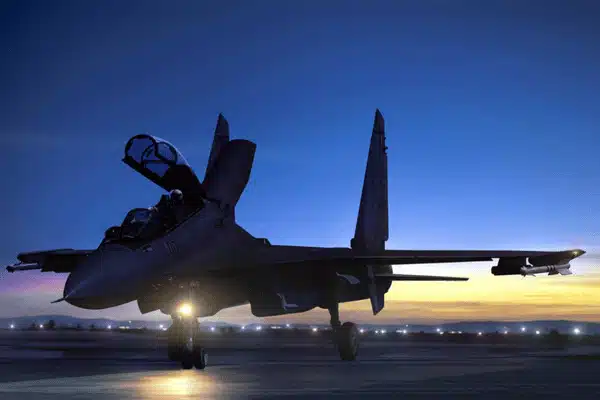
Army NVG training prepares military pilots to fly safely at night using Night Vision Goggles. This specialized instruction is vital for new aviation crews who need to operate in darkness. The U.S. Army has long held the advantage of “owning the night” through superior night vision capabilities, according to Army.mil. New Army aviators must learn how NVG technology functions, understand its limits, and master strict safety procedures.
Table of Contents
What Is Army NVG and Why It Matters
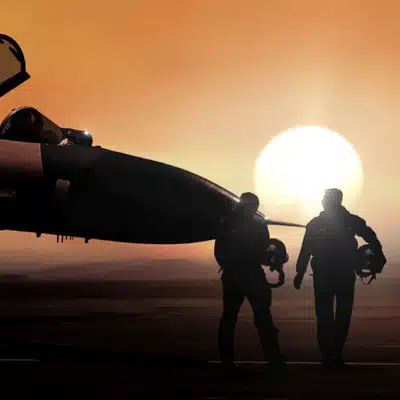
Night Vision Goggles are helmet-mounted devices that amplify dim light sources like moonlight or starlight. The technology creates a visible image in dark conditions, according to CTS Aviation Training. Army aviation uses systems like the AN/AVS series that produce the familiar green view.
Army NVG systems give crews major tactical benefits:
- 24/7 mission capability without waiting for daylight
- Covert operations using darkness as cover
- Search and rescue missions during dark hours
- Critical night flights including VIP transport
Army.mil reports that NVG-qualified pilots can perform tasks impossible without night vision aids. Units maintain operations around the clock.
But using NVGs isn’t simple. One Army aviator explained: “You don’t have peripheral vision capability, no color except green, distance perception is distorted and there’s a limited field of vision,” according to Army.mil.
Key Limitations New Pilots Must Overcome
Flying with NVGs means accepting major visual restrictions. New pilots face these challenges:
Narrow Field of View: NVGs provide only about 40 degrees of vision. Army.mil describes this as looking through a toilet paper tube. Pilots lose peripheral awareness.
No Color Vision: Everything appears in green. This removes natural visual cues for navigation and depth judgment.
Poor Depth Perception: The flat image makes judging distances difficult for landing and formation flying.
Bright Light Sensitivity: Lights can bloom into blinding glare. CTS Aviation Training notes this can cause temporary vision loss.
Eye Strain and Fatigue: Extended use tires the eyes and can degrade performance, according to CTS Aviation Training.
These limits increase spatial disorientation risk. The U.S. Army Aeromedical Research Laboratory found that reduced field of view and lack of color contribute to disorientation hazards. Pilots can confuse ground lights for stars or misread the horizon.
Aviation NVG training focuses on compensation techniques. Pilots learn to rely on instruments, use scanning patterns, and communicate constantly.
Army NVG Training From Ground School to Flight Line
Army NVG Training
1Classroom Instruction
Ground school covers NVG fundamentals. Students learn how the technology works and equipment maintenance.
2Simulator Practice
Flight simulators replicate nighttime scenarios, according to CTS Aviation Training. Trainees wear NVGs and practice maneuvering before flying real aircraft.
3In-Flight Training
Student pilots fly at night with instructors. They start on clear nights and progress to darker conditions.
The Army runs comprehensive army NVG training that builds skills step by step:
Classroom Instruction
Ground school covers NVG fundamentals. Students learn how the technology works and equipment maintenance. CTS Aviation Training reports classroom topics include night vision physiology, common visual illusions, NVG scanning techniques, and cockpit lighting adjustments.
Simulator Practice
Flight simulators replicate nighttime scenarios, according to CTS Aviation Training. Trainees wear NVGs and practice maneuvering before flying real aircraft. Key skills include adjusting goggle focus, pre-flight inspections, managing cockpit lighting, and systematic scanning patterns.
In-Flight Training
Student pilots fly at night with instructors. They start on clear nights and progress to darker conditions. Crews practice takeoffs, landings, low-level navigation, and formation flying under NVGs.
Instructors create challenging scenarios to test reactions. Only after showing strong proficiency do pilots earn NVG qualification.
Army.mil reports that every Army rotary-wing pilot graduates with NVG qualification. It’s a baseline requirement.
Military NVG flight training continues throughout a career. Army regulations require periodic NVG flight hours to maintain currency.
Critical Safety Procedures in Military NVG Flight Training
Safety drives every aspect of NVG operations:
Pre-Flight Preparations

Crews complete detailed briefings before any NVG flight. Asktop.net notes that goggles get inspected for power, clarity, and alignment. Proper helmet fit is critical. Aircraft interiors need NVG-compatible lighting with dimmed or filtered instrument panels.
Crew Coordination During Flight
Standard procedure assigns one pilot to watch outside references on NVGs. The other cross-checks instruments and helps navigate. They swap roles regularly to prevent fatigue.
If a pilot loses visual cues or feels disoriented, they must announce it immediately. The U.S. Army Aeromedical Research Laboratory emphasizes quick handoff of control.
Countering Visual Illusions
Training exposes pilots to common NVG illusions. False horizons occur when clouds or terrain look like the real horizon. Chinook-Helicopter.com explains that pilots learn to trust attitude instruments.
Learning From Incidents
A January 2025 collision between an Army Black Hawk and a civilian jet near Washington, D.C. showed the stakes. CTS Aviation Training reported that the Army pilots’ narrow field of view may have prevented them from seeing the other aircraft.
This tragedy reinforced key lessons. Pilots must scan vigilantly and never rely only on goggles.
Technology Advances
The Army is fielding Enhanced Night Vision Goggle-Binocular systems. National Defense Magazine reports these use white phosphor and thermal imagery for better depth perception.
What is Army NVG training?
Army NVG training teaches military pilots to fly safely at night using Night Vision Goggles. It includes classroom instruction, simulator practice, and in-flight exercises with strict safety procedures.
How long does it take to become NVG qualified?
The training timeline varies but typically takes several weeks. It combines ground school, simulator hours, and supervised night flights.
What are the main challenges of flying with NVGs?
The biggest challenges include narrow field of view, no color vision, poor depth perception, and bright light sensitivity. Pilots overcome these through scanning techniques and instrument cross-checks.
Do all Army pilots need NVG training?
Yes, every Army rotary-wing pilot graduates with NVG qualification, according to Army.mil. Night vision capability is essential for military aviation operations.
How often do pilots need to practice with NVGs?
Army regulations require periodic NVG flight hours to stay current. Skills decline without consistent practice.
What new NVG technology is the Army using?
The Army is fielding Enhanced Night Vision Goggle-Binocular systems. These advanced goggles use white phosphor and thermal imaging for improved night vision.
Master Night Flight With Proper Training
Army NVG training transforms new pilots into confident night operators. Through careful instruction and strict safety standards, the Army produces crews who can turn darkness into an advantage. As one training organization warned: train like your life depends on it — because it does.
Ready to enhance your aviation NVG training capabilities? Contact our team to learn about comprehensive night vision programs for military and civilian crews. Get a quote today.