 (888) 632-8764
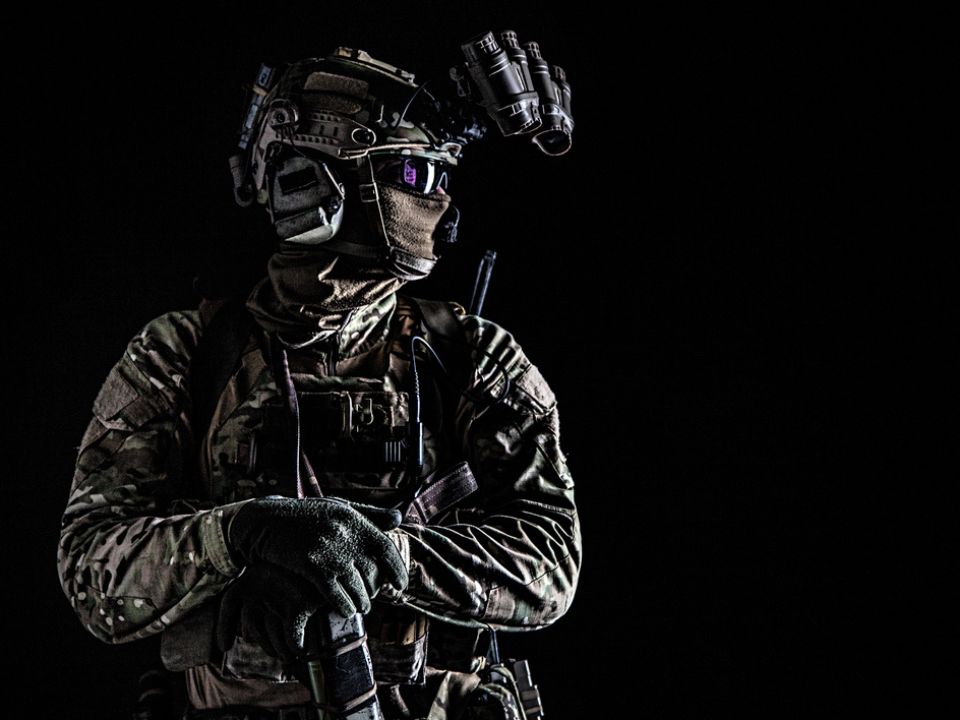
If you’re about to buy military night vision goggles, don’t treat it like a normal gear purchase. One wrong choice can cost you thousands and still leave you with a setup that feels unsafe in the cockpit. Military night vision goggles have very different demands than hunting or ground-use systems, especially when you’re managing aircraft lighting, depth perception, and fast-moving terrain.
This guide breaks down what to look for in night vision goggles when your use case is aviation. We’ll cover the real factors that separate night vision goggles military users rely on from consumer-grade options. If you want the best night vision goggles military grade, you need to know what matters before you spend.
Night Flight Concepts works with pilots and operators who need military-grade night vision goggles that fit real aviation environments.
Factors To Consider When Purchasing Military Night Vision Goggles
When choosing military night vision goggles, it helps to think like a buyer, not a casual user. These factors shape performance, comfort, and safety.
Usage
Even if two units look similar, their purpose can be totally different. Military night vision goggles built for aviation are not the same as units made for ground navigation or hunting. Your environment changes everything, including mounting, durability, and optics.
If you’re comparing best night vision goggles military grade options, start by matching the unit to aviation use first. That is the foundation of what to look for in night vision goggles.
Night Vision Generations (Gen 1 Vs Gen 2 Vs Gen 3 Vs Gen 3+)
Generations affect clarity, brightness, lifespan, and price. Many people still describe systems as Gen 1–4, but in aviation buying decisions, the real comparison most buyers need is Gen 3 vs Gen 3+.
Gen 1 devices were early image intensifier systems. They are older, lower clarity, and more prone to distortion.
Gen 2 improves brightness and resolution, but it still doesn’t match the performance most aviation crews expect.
Gen 3 is the modern standard for serious aviation and duty use. It delivers stronger low-light performance and better image quality than Gen 1 or Gen 2.
Gen 3+ (filmless, autogated) is where many top-tier buyers focus today. Filmless helps improve sensitivity and clarity in very low light. Autogated helps the tube handle fast lighting shifts better, which matters in aviation environments where lighting can change quickly. If your goal is special forces night vision goggles performance, this is the direction most high-end builds lean toward.
This is one of the biggest deciding points in what to look for in night vision goggles, especially if you’re trying to buy military night vision goggles that feel stable and predictable.
What Special Forces Actually Use (And Why It Matters)
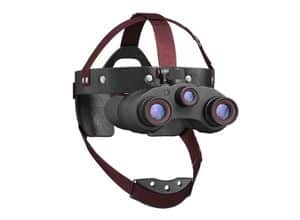
People often search for special forces night vision goggles because they want the highest reliability, clarity, and low-light response available. In real-world terms, special operations users tend to prioritize tube performance, stability, and comfort over anything flashy.
Many special forces night vision goggles builds lean toward Gen 3+ (filmless, autogated) tubes because they perform well in low light and adapt better to fast changes in brightness. They also prioritize long-wear comfort, helmet stability, and consistent image clarity.
If you want best night vision goggles military grade results, you’re usually aiming for the same priorities. Tube quality, comfort, and reliability matter far more than features built for outdoor hobby use. That is why aviation buyers often stick to trusted night vision goggles military setups rather than experimenting with consumer units.
Generation Comparison Table
| Gen | Use Case | Pros | Who Should Buy |
|---|---|---|---|
| Gen 1 | Basic low-light use | Lowest cost | Casual users only |
| Gen 2 | Improved clarity over Gen 1 | Better resolution | Limited duty use |
| Gen 3 | Standard for aviation and duty | Strong low-light performance | Most aviation operators |
| Gen 3+ (Filmless, Autogated) | High-end military and duty | Best clarity and better light handling | Buyers targeting special forces night vision goggles performance |
Field Of View
Field of view impacts how much you can see at once. In aviation, a stable field of view helps reduce tunnel vision and supports better scanning habits.
For military night vision goggles, the goal is not zoom. It is usable awareness without hurting depth perception.
Size, Weight, And Comfort
You will wear military night vision goggles for long periods. Weight and balance matter more than most buyers expect. A heavier setup creates neck strain, especially during long flights or repeated training nights.
Comfort and fit also depend on how the system mounts. That is why aviation-grade systems and mounts tend to feel more secure than casual head-mounted setups.
Weather Resistance
If you fly or train in rough environments, weather resistance matters. Moisture and dust protection help keep military night vision goggles reliable, especially when conditions are unpredictable.
Battery Life
Battery life affects safety and confidence. Military night vision goggles need stable power because failure mid-operation is not just annoying, it can be dangerous.
Better battery performance means fewer swaps, fewer interruptions, and less stress.
Price
Price should match your mission needs. If you want the best night vision goggles military grade, expect that quality tube performance, aviation optics, and reliable builds cost more.
The expensive mistake is paying premium money for a unit that isn’t truly suited for aviation. That is why knowing what to look for in night vision goggles matters before buying.
Resolution
Resolution affects how clearly you can separate details at night. In aviation use, higher clarity supports better decision-making because shapes and terrain cues are easier to read.
For night vision goggles military buyers, resolution is not about looking sharper for fun. It is about safer identification and cleaner visual information.
Field Of View And Magnification
Most military night vision goggles operate at 1x magnification. That’s not a weakness. In aviation, wider usable view is often more important than zoom.
Magnification can reduce depth perception and make movement feel less natural. For aircraft work, that can become a real issue.
Spectrum
Night vision systems amplify available light. This can include visible and near-infrared light depending on the environment. The main goal is consistent image quality, not extra features that don’t translate to real aviation use.
Choosing the wrong type can waste time and money, especially if the build isn’t designed for aviation demands.
Options For Night Vision Mounting
Helmet mounting is the most common choice. It allows hands-free operation and better control. Many setups use a shroud and mount system designed to keep the unit stable.
Some users try lighter face mount or skull-style options, but for aviation comfort and safety, most operators prefer true helmet-based setups.
This is also where aviation night vision goggles for helicopters matters, because stability and fit are not optional in the cockpit.
Final Buyer Takeaway
If you’re buying military night vision goggles, don’t buy based on hype or looks. Buy based on aviation use, tube quality, comfort, and how the system performs under real lighting conditions.
If you’re flying, don’t buy hunting NVGs.