(888) 632-8764
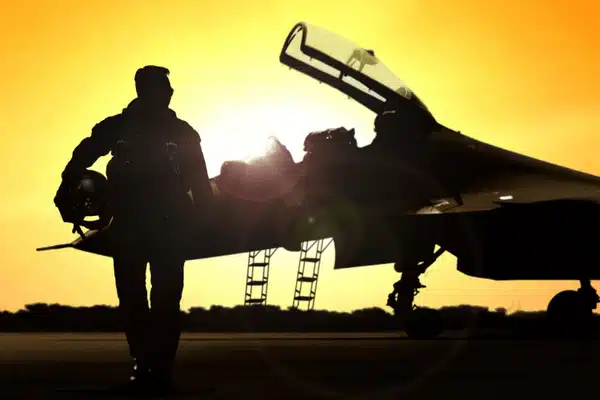
Flight goggles are vital for pilots who fly at night. These devices help aircrews see in the dark and spot hazards. Over time, your flight goggles can wear out or fall behind newer tech. When this happens, you face a choice: repair or upgrade? This guide helps you decide the best path for your aviation night vision flight goggles.
Table of Contents
How Flight Goggles Work
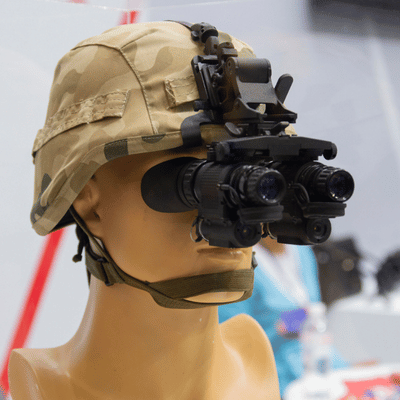
Night vision goggles (NVGs) boost ambient light so pilots can see at night. They don’t make night look like day. But they do reveal terrain, obstacles, and hazards you can’t see otherwise.
For helicopter pilots, these tools are critical. Helicopter pilot night vision goggles greatly improve awareness during tough operations like night rescues. They make flying safer when there’s no natural light.
These devices need regular care to work properly. The FAA suggests ANVIS-type goggles get checked every 180 days by trained technicians. Regular checks catch problems early and keep performance strong.
Why Maintenance Matters
Even with careful use, NVGs can break down. Common problems include:
- Bright light damage that weakens the image tube
- Physical impacts from drops or bumps
- Environmental wear from dust or moisture
- Age-related decline in performance
Professional repair can fix many issues. Technicians can replace damaged parts, restore image quality, and recalibrate optics. As long as core parts are intact, most aviation night vision flight goggles can return to peak performance.
Good maintenance protects your investment. Flight goggles cost a lot due to their complex image tubes. Full replacement is expensive. Repair and upgrades often make more financial sense than buying new units.
When Repair Makes Sense
Repair is usually the first choice if your goggles are still modern and issues are fixable.
Repair Is Usually the First Choice
If your goggles are still modern and issues are fixable.
Minor Damage
If your flight goggles have a specific problem like a broken switch or scratched lens, repair can solve it.
Proven Equipment
Pilots often trust their familiar gear. If your goggles pass inspections and meet performance standards, keep using them.
Budget Limits
Cost matters for most operators. Fixing a component costs less than buying new.
Minor Damage
If your flight goggles have a specific problem like a broken switch or scratched lens, repair can solve it. Professional NVG shops handle these fixes regularly. They can restore your unit to factory specs.
Proven Equipment
Pilots often trust their familiar gear. If your goggles pass inspections and meet performance standards, keep using them. Modern Gen 3 tubes can last 10,000+ hours in top models. Well-maintained goggles can serve for many years.
Budget Limits
Cost matters for most operators. Fixing a component costs less than buying new. If money is tight, get a repair quote first. Many agencies keep their helicopter pilot night vision goggles running through regular repairs.
Always use qualified technicians for repairs. This ensures your goggles stay safe and airworthy.
When to Upgrade Your Flight Goggles
Sometimes upgrading beats repairing. Here’s when to consider new gear:
Old Technology
Night vision tech has improved a lot. If you use Gen 1 or Gen 2 goggles, upgrading to Gen 3 aviation flight goggles brings huge gains. Gen 3 devices offer much better image quality and light boost than older versions.
Gen 3 uses advanced parts to create brighter, sharper images. They work better in very dark conditions. Pilots see terrain and aircraft more clearly with less glare around lights.
Heavy Wear
Image tubes lose quality over time. If your goggles are 5+ years old with heavy use, consider upgrading. NVG experts suggest evaluating upgrades after five years to ensure top performance.
You don’t always need completely new goggles. Some programs let you upgrade core parts. Replace your old tube with a new Gen 3 Pinnacle® tube to boost performance instantly. This gives you new-level capability without full replacement costs.
New Features
Upgrades unlock features older goggles lack:
- White phosphor tubes provide more natural black-and-white images with better contrast
- Auto-gating circuits protect tubes from bright lights and prevent image blooming
- Better low-light sensitivity extends your detection range
White phosphor Gen 3 aviation flight goggles have become very popular. They’re seen as the next step in NVG technology. Auto-gating is crucial if you fly near city lights since it helps goggles adjust to bright sources.
Frequent Failures
If you’re repairing goggles often, upgrading may save money long-term. There’s a point where constant patches cost more than new gear. Fresh goggles come with warranties and reduce downtime.
Some upgrade programs offer trade-in discounts when you turn in old units. If the math shows an upgrade costs less than years of repairs while boosting capability, choose the upgrade.
Making Your Decision

The repair vs upgrade choice depends on your goggles’ condition, your needs, and your budget.
Choose repair if your goggles are Gen 3, meet your needs, and only need fixes. Professional repair restores performance at lower cost than buying new.
Choose upgrade if your goggles are outdated, underperform, or fail often. Upgrading to gen 3 aviation flight goggles improves image quality and reliability. This enhances safety on night missions.
As of 2025, programs exist to help operators upgrade affordably through trade-ins or retrofits.
Get an expert assessment of your NVGs. A qualified service provider can measure performance against factory specs. They’ll tell you how much life remains in your gear.
No matter which path you pick, keep up with maintenance. Even upgraded goggles need regular care and inspections. Follow manufacturer guidelines and schedule professional check-ups. This ensures maximum lifespan and performance from your flight goggles.
How often should flight goggles be inspected?
The FAA recommends comprehensive inspections every 180 days by certified technicians. Regular checks ensure goggles meet performance standards and catch issues early.
What causes night vision goggles to fail?
Bright light exposure, physical impacts, dust, moisture, and normal aging cause most failures. Proper storage and handling can prevent many problems.
How long do Gen 3 image tubes last?
Top Gen 3 tubes can last 10,000+ hours of operation. Actual lifespan depends on usage conditions and maintenance quality.
Is white phosphor better than green phosphor?
White phosphor offers more natural images with better contrast in some conditions. Green phosphor still performs well in many situations. The best choice depends on your specific flying environment.
Can I upgrade just the image tube in my goggles?
Yes, many programs allow tube-only upgrades. You can replace old tubes with new Gen 3 Pinnacle® tubes without replacing the entire goggle assembly.
When is repair no longer cost-effective?
If repair costs approach 60-70% of upgrade costs or failures happen frequently, upgrading usually makes more sense. An expert assessment helps determine the best path.
Need help deciding between repair or upgrade? Contact Night Flight Concepts today for a professional NVG assessment. Our certified technicians can evaluate your flight goggles and recommend the most cost-effective solution for your operation. Get expert guidance on maintenance, repairs, and upgrade options.