(888) 632-8764
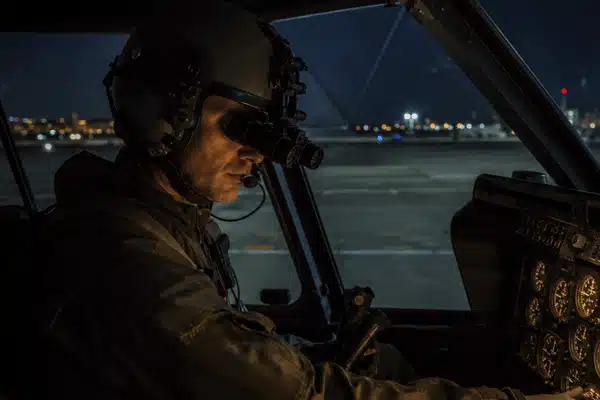
An NVG training course helps pilots use night vision goggles with skill, care, and clear steps. Night flying is not just flying in the dark. It brings limits in sight, depth, contrast, and workload. Strong night flight training helps pilots manage those risks and use NVGs the right way.
Night Flight Concepts offers FAA-approved aviation NVG training course for pilots. Their programs support initial qualification, recurrent training, and instructor pilot certification.
Table of Contents
What Makes Night Flying More Demanding
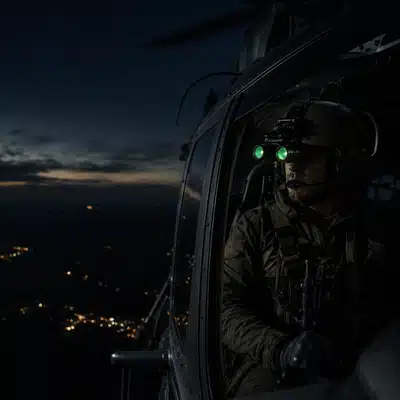
Night flying changes how a pilot sees and reacts. Low light can make terrain, wires, towers, and landing zones harder to judge. Visual illusions can also affect depth and distance.
This matters even more for EMS, law enforcement, public safety, and other mission work. Crews may fly into dark areas, unknown sites, or time-sensitive scenes. An NVG training course helps crews build safe habits before these risks appear in flight.
The FAA has said NVGs can support select night flight tasks. It also warns that poor use can create new risks. That is why ground and flight training matter.
What an NVG Training Course Includes
A good NVG training course should teach both knowledge and hands-on flight skills. Pilots need to know the limits of the device before using it in real work.
Ground training may cover:
- Eye function and night vision limits
- Aeromedical factors
- Visual illusions
- FAA rules for NVG use
- Flight planning and scene review
- NVIS cockpit and lighting checks
Flight training may include:
- Preparing NVGs and pre-flight checks
- Takeoff and assisted flight abilities
- Shifts from aided to unaided
- Normal and abnormal tasks
- Emergency measures
- crew callouts and risk assessments
Prior to live training, CBT flight training can be useful. It provides a common base of terms, limits, and rules for pilots and crew. CBT flight training is not a substitute for aircraft training. It aids the learning process.
How Training Supports Safety and Skill
An NVG training course helps pilots use NVGs as part of a full flight system. The goal is not just better sight. The goal is safer choices, better scans, and clear crew work.
How Training Supports Safety and Skill
Night flight training helps pilots build safer habits, sharper awareness, and better crew coordination while using night vision goggles.
Terrain awareness during dark-night flight
Wire and obstacle awareness near landing zones
Better scan habits while using goggles
Clear callouts between pilot and crew
Smoother transitions between aided and unaided flight
Better workload control during night flight training
Training can help with:
- Terrain awareness during dark-night flight
- Wire and obstacle awareness near landing zones
- Better scan habits while using goggles
- Clear callouts between pilot and crew
- Smoother transitions between aided and unaided flight
- Better workload control during night flight training
Training should match the real tasks the pilot performs. EMS crews, law enforcement crews, and commercial teams do not all fly the same missions. The best training reflects the aircraft, site type, and role.
FAA Rules Pilots Should Know
FAA rules require added training before a person may act as pilot in command using NVGs. Under 14 CFR § 61.31(k), pilots need ground and flight training from an authorized instructor. They must also receive the proper logbook or training record endorsement.
FAA recent experience rules also apply. Under 14 CFR § 61.57, a pilot using NVGs must log required NVG tasks within set time periods. For carrying passengers using NVGs, those tasks must be logged within the 2 calendar months before the month of flight. For acting as a pilot in command using NVGs, the rule uses a 4-month calendar period.
Aircraft also need approved equipment for NVG work. Under 14 CFR § 91.205(h), aircraft used for NVG operations must have required approved equipment, including NVGs and lighting systems approved for NVG use.
These rules show why an NVG training course should come from a qualified provider.
Who Needs Aviation NVG Training
Training courses in NVGs can help a lot of aviation teams. It depends on the aircraft, the mission, and the crew role.
Night flight training is important for EMS and air ambulance crews as they often fly over unfamiliar and dark landing zones.
Law enforcement pilots can use NVGs for patrol, search, support, or public safety duties.
Military and government crews may need mission-specific training that is appropriate for their aircraft and team roles.
NVG skills may be relevant for commercial pilots conducting night operations.
Pilots searching for NVG training in Orlando should ask providers about location, course options, and aircraft fit. Night Flight Concepts lists FAA-approved aviation NVG training and can help teams review the right path for their needs. If you need NVG training in Orlando or nearby access, confirm current training options with their team first.
Choosing the Right Training Provider
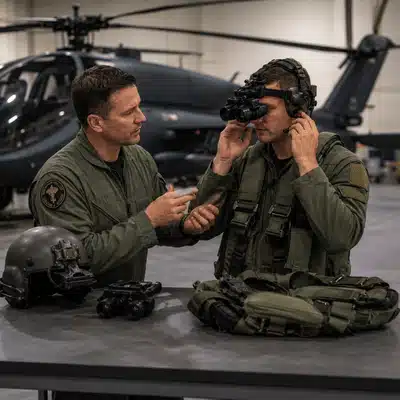
Not all training programs are the same. A strong provider should offer clear course paths, skilled instructors, and training tied to real flight needs.
Look for a provider with:
- FAA-approved aviation NVG training
- Initial and recurrent training options
- Instructor pilot certification programs
- Aircraft-specific training
- Ground and flight instruction
- Support for crew and mission needs
- NVG inspection, repair, and maintenance knowledge
Night Flight Concepts brings FAA-approved training and broad aviation NVG support. Their work includes training, inspection, maintenance, repair, and upgrades. That gives pilots and operators help beyond the classroom.
What does an NVG training course cover?
Both flight and ground training are part of an NVG training program. Vision limits, FAA regulations, aeromedical considerations, and planning are all included in ground work. NVG setup, takeoff, transitions, routine jobs, and emergency procedures are all included in flight work.
Can flight instruction be replaced by CBT flight training?
No. Early learning and review might benefit from CBT flying instruction. Pilots can use it to understand NVG restrictions, rules, and terminology. It does not take the place of practical flight instruction with a certified instructor.
How often do pilots need recurrent NVG training?
Pilots must meet FAA’s recent experience rules before acting as pilot in command using NVGs. Some tasks must be logged within 2 or 4 calendar months, based on the type of flight. Operators may also have added training and check rules.
Does every night flight require NVG training?
No. NVG rules apply when a pilot uses NVGs for flight duties. Normal night flying follows other FAA night flight rules. Pilots need proper training and equipment before using NVGs.
Is night flight training only for helicopter pilots?
No. Night flight training can support different aviation roles. NVG rules refer to aircraft used for NVG operations. The training should match the aircraft, mission, and pilot role.
How do I choose NVG training in Orlando?
Start by checking whether the provider offers FAA-approved NVG training. Ask about course type, aircraft fit, location, and instructor experience. For NVG training in Orlando, confirm current options with Night Flight Concepts before booking.
A strong NVG training course helps pilots fly with more control, better judgment, and safer night habits. Night Flight Concepts supports pilots with FAA-approved aviation NVG training, experienced instructors, and services that include training, inspection, maintenance, repair, and upgrades.
Ready to strengthen your night operations? Book aviation NVG training with Night Flight Concepts today and choose the right initial, recurrent, or instructor course for your team.