(888) 632-8764
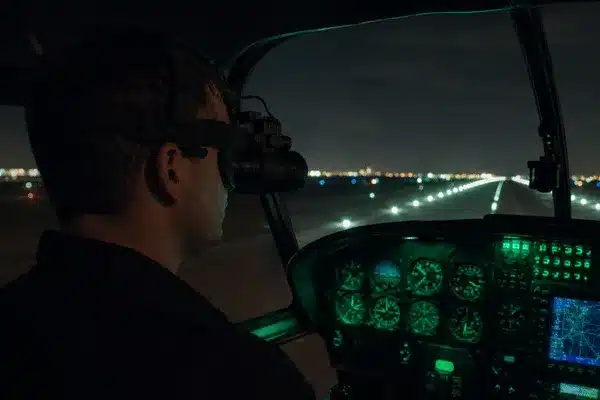
NVG training in Orlando helps pilots learn how to fly with night vision goggles under FAA rules. It includes ground training, flight training, logbook endorsements, and recent flight experience. It is useful for pilots who want to work in air medical, law enforcement, search and rescue, aerial firefighting, and other night missions.
A quick note: the FAA does not issue a separate “NVG certificate.” Many schools use the term NVG certification course, but the FAA system is based on training, endorsements, and currency. The key rules include 14 CFR § 61.31(k), § 61.57(f) and (g), § 61.195(k), and FAA Advisory Circular 61-65K.
Table of Contents
What Does NVG Training Cover?
Pilots are trained in the safe use of night vision goggles under actual flying conditions. It goes beyond simply donning goggles. Pilots need to be aware of how NVGs alter workload, depth, contrast, and vision.
Ground training covers, mandated by the FAA:
- NVG risks and limitations
- Aeromedical factors and eye health
- Equipment usage and inspections
- Visual signals and scene reading
- Planning for weather and nighttime flights
- Procedures for emergencies
Flight training covers:
- NVG preflight checks
- Aircraft lighting setup
- Aided takeoffs and landings
- Normal and abnormal procedures
- Emergency tasks
- Crew coordination when needed
Aircraft equipment matters too. Under 14 CFR § 91.205(h), NVG operations need approved night vision equipment, compatible lighting, a two-way radio, attitude indicator, generator or alternator, and radar altimeter.
Why NVG Training in Orlando Matters in 2026
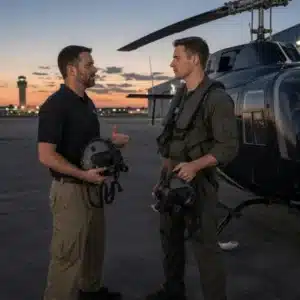
NVG training in Orlando matters because Central Florida is a major aviation and training hub. The University of Central Florida describes the region as a leading center for modeling, simulation, and training. That matters because modern pilot training often blends aircraft, devices, and mission-based learning.
The FAA also describes Orlando Sanford International Airport as a busy mixed-use airport with flight training, airline, and air taxi activity. This helps explain why the Orlando area is a strong fit for pilots seeking advanced aviation training.
The larger industry trend also supports this need. The FAA Aerospace Forecast for FY 2025 to 2045 projects growth in the active U.S. rotorcraft fleet. It also expects rotorcraft flight hours to rise over time. The Bureau of Labor Statistics projects steady yearly openings for airline and commercial pilots through 2034.
Night missions still carry risk. Reduced contrast, terrain hazards, weather, traffic, and workload can all affect safety. The National Transportation Safety Board has also warned that see-and-avoid has limits, even when pilots use night vision tools.
NVGs improve what pilots can see. They do not replace training, judgment, or safe procedures.
How Pilots Qualify for NVG Operations
Pilots qualify through FAA-compliant training with an authorized instructor. The process includes both ground and flight instruction.
Here is the basic path:
- Complete the required NVG ground training.
- Complete the required NVG flight training.
- Receive the correct logbook endorsement.
- Use NVG-approved aircraft equipment.
- Maintain recent NVG experience.
- Complete a proficiency check when required.
FAA instructor rules are strict. Under 14 CFR § 61.195(k), an NVG instructor must be qualified as a pilot in command for NVG operations. The instructor must also have at least 100 logged NVG operations, including 20 in the right aircraft category, class, or type.
Currency also matters. Under 14 CFR § 61.57, pilots must keep recent NVG experience to act as PIC using NVGs. For passenger-carrying NVG flights, the recent experience rules are even tighter.
NVG vs. NVIS: What Is the Difference?
Pilots often hear both terms during night flight training.
| Term | Meaning | Why It Matters |
| NVG | Night vision goggles worn by the pilot or crew | Helps the pilot see better in low light |
| NVIS | Night Vision Imaging System | Includes goggles, aircraft lighting, and related equipment |
FAA guidance separates these terms for a reason. NVG refers to the device. NVIS refers to the full system. A safe setup needs both proper equipment and proper aircraft lighting.
This is why pilots should not judge an NVG certification course by the goggles alone. The aircraft, lighting, instructor, and training plan all matter.
Where Night Vision Goggles Training Is Used
Many real-world aviation roles are supported by training using night vision goggles. They consist of:
- Air ambulance flights in helicopters
- Aviation for law enforcement
- Look for and rescue
- Airborne firefighting
- Missions for public safety
- Patrol and utility duties
- Choose fixed-wing, special-mission aircraft
Where Night Vision Goggles Training Is Used
Air Ambulance Helicopter Flights
Law Enforcement Aviation
Search and Rescue Missions
Aerial Firefighting Support
Public Safety Operations
Patrol and Utility Duties
Selected Fixed-Wing Missions
Special-Mission Night Flights
Commercial pilots may perform jobs including crop dusting and extinguishing fires, according to the Bureau of Labor Statistics. Additionally, FAA helicopter air ambulance guidelines link flight following, risk assessments, and strict control protocols to night operations.
It’s a straightforward point. Crews can see better at night with NVGs. Crews can use that view securely because to robust protocols.
What to Look for in an NVG Training Provider
Choosing the right provider matters. A fast sign-off is not the goal. Safe and useful skills are the goal.
Look for a provider that offers:
- FAA-compliant instruction
- Ground and flight training
- Clear logbook endorsement support
- NVG-qualified instructors
- Aircraft lighting and equipment knowledge
- Recurrent training options
- Scenario-based practice
- Clear safety standards
Pilots comparing NVG training in Orlando should also ask how the course supports their mission. A public safety pilot, EMS pilot, and private operator may need different practice tasks.
Is NVG Training Worth It?
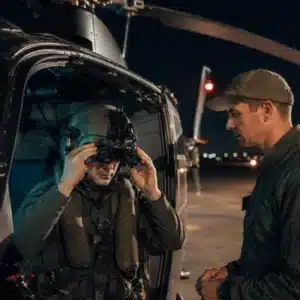
For the right pilot, yes. NVG training can support career growth in night-response and mission-based flying. It can also help pilots build safer habits for low-light work.
Still, NVGs are not a shortcut. They do not remove weather risk, traffic risk, or poor decision-making. The best value comes from serious training, steady practice, and a real, recurrent plan.
For pilots who want structured night flight training, Night Flight Concepts offers aviation NVG training built around real flight needs, safety, and FAA-aligned requirements.
What is NVG training?
NVG training teaches pilots how to fly with night vision goggles. It includes ground lessons, flight tasks, equipment checks, and emergency procedures. Pilots must also receive the proper logbook endorsements.
Is an NVG certification course the same as an FAA certificate?
No. The FAA does not issue a separate NVG pilot certificate. The term NVG certification course is common, but the FAA process is based on required training, endorsements, and recent experience.
Why is night flight training important?
Night flight training helps pilots manage low visibility, visual illusions, terrain risk, and high workload. NVGs can improve visibility, but they do not remove risk. Training helps pilots use the equipment with better judgment.
Can NVGs be used in any aircraft?
No. The aircraft must meet FAA equipment rules for NVG operations. It needs approved compatible lighting, required instruments, radio equipment, power supply, and a radar altimeter.
Who uses night vision goggles training?
It is often used by EMS, law enforcement, search and rescue, firefighting, and public safety pilots. Some utility and special-mission operators also use NVG training. The value depends on the pilot’s role and mission needs.
How do pilots stay current with NVG operations?
Pilots must meet the FAA recent experience rules under 14 CFR § 61.57. They may also need a proficiency check. Recurrent training helps pilots keep their skills sharp and safe.
If you are planning to fly night missions or build advanced flight skills, the next step is simple. Book an NVG training consultation or request a quote to learn which training path fits your aircraft, mission, and pilot goals.