(888) 632-8764

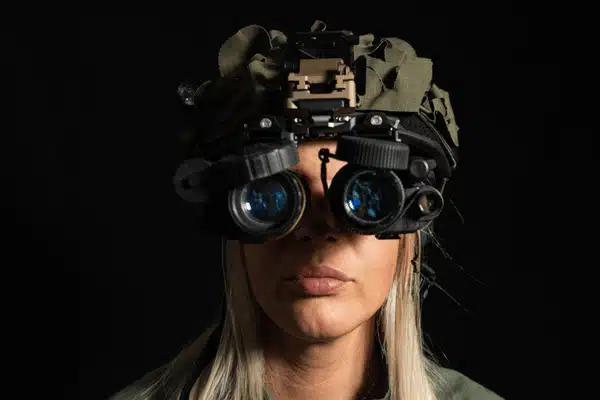
Ever noticed a dark speck or strange bright patch while looking through night vision goggles? These marks are called night vision blemishes. Some have been there since the goggles were made, while others appear after damage. For pilots, knowing which spots to watch out for is an important part of flight safety.
Good handling, regular checks, and proper storage help keep goggles in working condition. Here’s what causes these marks and when a repair is needed.
Table of Contents
What Are Night Vision Blemishes?
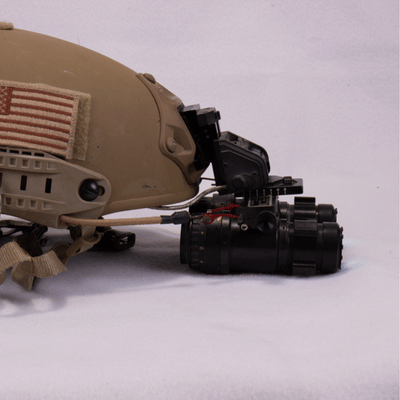
Not every dark spot means your goggles are damaged. Some marks are present when the image intensifier tube leaves the factory.
During an inspection, technicians compare each spot with a chart that divides the image into zones. The middle area is called Zone 1. A spot here gets more attention because it’s right where pilots tend to focus. Marks closer to the edges are checked against a different set of limits.
A mark that suddenly appears is worth checking. It could mean the goggles took a hard knock, faced strong light, or developed an internal fault.
How Blemishes Impact Flight Safety
Imagine looking toward a distant aircraft and having a dark spot cover one of its lights. The same thing can happen with wires or ground hazards, especially in poor light.
This is why aviation night vision goggles need checking before each flight. Look out for spots that have grown, flickering images, or areas that seem darker than usual.
Even a tiny mark can be a problem when it blocks something you need to see.
Common Causes of NVG Damage
A hard fall or a few seconds facing an intense light source can leave lasting marks inside NVGs. Sometimes, the fault starts within the tube itself, even when the goggles look fine from the outside. Knowing how blemishes form makes it easier to recognize problems before they affect your view.
Light-Induced Damage
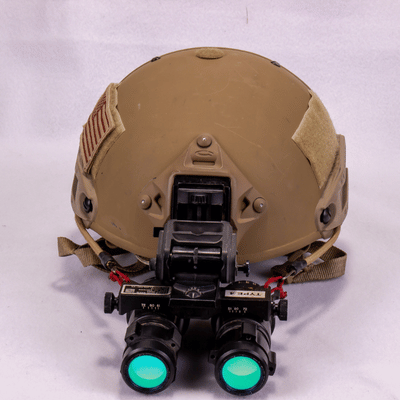
A sudden burst of strong light can overload the tube that makes dark scenes visible. Direct sunlight and powerful lasers are two common hazards.
Many newer goggles adjust their brightness when exposed to strong light. That helps protect the image, but it doesn’t mean the tube can handle every light source.
Physical Trauma
Dropping goggles can damage the small parts inside the image intensifier tube.
The microchannel plate (MCP) contains millions of tiny channels that boost the image signal. A strong impact can damage its structure and leave visible defects.
Once internal damage occurs, wiping the lenses won’t solve the problem.
Prevention Best Practices
A few simple habits help protect NVGs from damage and keep them ready for use.
Handle With Care
- Check that helmet mounts are secure.
- Put goggles back in their padded case when you’re done.
- Don’t pack heavy gear on top of them.
- If they take a hard knock, check for damage before using them again.
Protect Against Light
Keep powered goggles away from sunlight and strong light sources. Use approved lens covers when storing or moving them.
Brightness controls help, but they have limits. A powerful light source can still harm the tube.
Proper Storage Methods
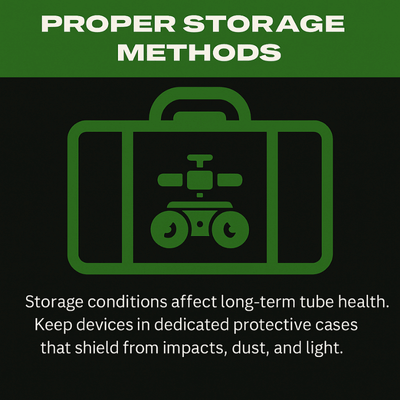
Find a cool, dry place to keep your goggles when they’re not in use. Keep the case away from windows and direct sunlight.
Avoid leaving NVGs in a parked car, where heat can build up quickly. If you won’t use them for a while, take out the batteries to prevent leaks.
Regular Inspection Routines
Before a flight, take a moment to look through the goggles. Check whether the image looks the same as it did during your last use.
Pay attention to anything unusual, such as:
- New black marks that stay in the same spot
- A bright ring or patch near the edge of the image
- An image that flickers instead of staying steady
- Dark patches that make part of the scene harder to see
If you notice a change, make a note of where it appears. Have the goggles checked before putting them back into flight use.
Cleaning Procedures
Sometimes, what looks like a blemish is just a smudge on the outside glass. Check the lenses first, especially if you’ve been handling the goggles without gloves. Remove loose dust with the lens tools approved for your unit.
For fingerprints, use a fresh microfiber cloth with the cleaner listed in the manual. If a spot won’t go away, don’t try to reach it by opening the tube.
Professional Maintenance
The FAA’s 2011 Fasthoff interpretation confirms 180-day NVG inspections for the Part 91 and Part 135 operations it addresses.
An inspection covers more than visible spots. The technician checks whether the image stays clear, the focus works properly, and both optical channels line up. Power performance and past service records are checked as well.
Night Flight Concepts lists the following service details:
| Service detail | Published information |
| Inspection and repair labor | $245 per hour |
| Typical inspection estimate | $245 for one hour |
| Usual turnaround | 24–48 hours |
| Standard turnaround | 3 business days without major repairs |
| Major repairs | Additional time and cost |
Shipping and replacement parts cost extra. Confirm the final price before sending equipment.
Advanced Tube Technologies
Gen 2 and Gen 3 goggles both use a microchannel plate. However, their light sensors and power systems work differently.
| Feature | Gen 2 NVGs | Gen 3 NVGs |
| Light sensor | Multialkali | Gallium arsenide |
| Low-light performance | Less detail in very dim areas | Often shows more detail in low light |
| Bright-light response | Older units may have fewer safeguards | Many newer units have auto-gating |
| Blemish risk | Light and impact can damage the tube | Still at risk, even with better light controls |
Gen 3 goggles often provide a brighter, clearer image when there’s very little light. Many newer models also have features that help manage sudden changes in brightness.
But that doesn’t make them damage-proof. Strong light or a hard impact can still leave permanent marks inside either type of tube.
Maintenance Best Practices
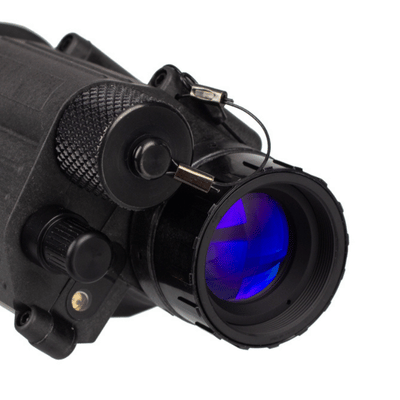
Keep a record of each inspection and compare new results with previous reports. This helps identify changes that might otherwise go unnoticed.
Professional technicians can repair or replace damaged wiring, seals, and other serviceable parts.
Damage to the microchannel plate is harder to deal with. The MCP is sealed inside the tube, so there’s no simple way to clean or fix its tiny channels. If testing shows the plate is damaged, replacing the image intensifier tube is usually the best option.
Take Action for Safer Flights
Don’t wait for a minor defect to become a flight safety issue. Night Flight Concepts provides professional NVG inspections, testing, and repair services.
Contact Night Flight Concepts to Get a Quote or Book Your Next 180-Day NVG Inspection.
What are the costs associated with professional NVG repair?
Night Flight Concepts charges $245 per hour for inspection and repair labor. A routine one-hour inspection costs about $245 before shipping and extra work. More serious problems, including tube replacement, require a separate quote.
How often should aviation night vision goggles be replaced?
Aviation NVGs don’t have one fixed replacement age under FAA rules. Their lifespan depends on use, care, and inspection results. Replace damaged tubes or equipment when they no longer meet the required performance standards.
What are the specific FAA guidelines for 180-day NVG inspections?
The FAA’s Fasthoff interpretation confirms a 180-day inspection schedule for the covered aviation operations. Technicians follow the approved maintenance instructions and check image quality, power, alignment, and other key functions. RTCA DO-275 also calls for a 24-month NVIS validation test under the applicable program.
What causes edge glow in image intensifier tubes?
Edge glow often looks like a bright patch or faint ring around the outside of the image. It can appear when something goes wrong with the electrical parts inside the tube. If the glow stays in place even when the lens is covered, have the goggles checked before using them again.
Can night vision blemishes be removed through cleaning?
That depends on where the mark is coming from. If it’s just dirt or a fingerprint on the outer lens, proper cleaning should help. But if the spot stays in the same place after cleaning, the problem could be inside the sealed tube.
Can a damaged microchannel plate be repaired?
A scratched outer lens is one thing, but a damaged MCP is much harder to fix. Its tiny channels sit inside a sealed image intensifier tube, where normal repair tools can’t reach them. When the damage affects image quality beyond acceptable limits, a technician generally replaces the tube.
Are Gen 3 goggles less likely to develop blemishes than Gen 2 models?
Many modern Gen 3 goggles do a better job of handling sudden changes in light than older Gen 2 units. This helps lower some risks, especially during brief exposure to bright lights. However, a strong beam or a bad fall can still cause permanent damage to either type.
A clear image is something pilots need to count on, not guess about. If a spot shows up or part of the view starts looking strange, don’t leave it for the next flight. Check the goggles, and have a trained technician look at any fault that doesn’t go away. A little care on the ground can prevent a much bigger problem in the air.